
Uncategorized
What are Cannabinoids? Do You Know the Basics?
Feb
We talk a lot about CBD, what it is, and how it works in your body. I mean, that makes sense, given that we’re in the CBD biz.
You may already know that CBD’s a cannabinoid, but what are cannabinoids? And what makes them so darn special?
This may even help you better understand how CBD works in the body! Read on, friend.
What are Cannabinoids?
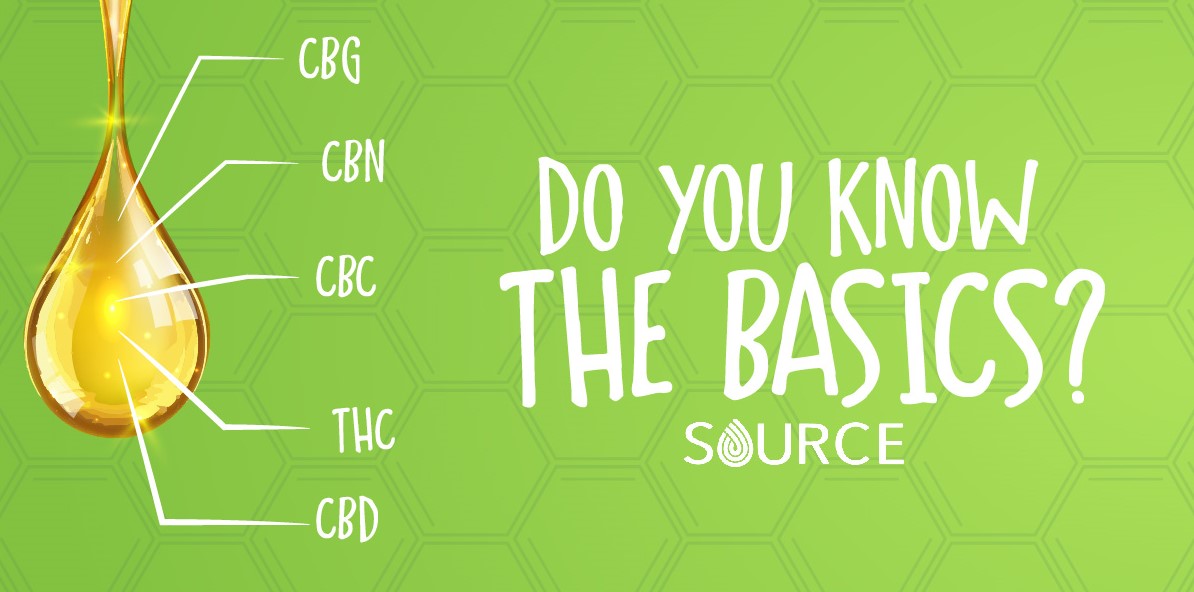
As we said, CBD is a cannabinoid. It’s one of the over 113 that have been found in the cannabis plant. Some other well-known cannabinoids are:
- THC (Tetrahydrocannabinol)
- CBG (Cannabigerol)
- CBN (Cannabinol)
So, what exactly are they?
Cannabinoids form a diverse group of molecules that all share some common characteristics. They’re chemical compounds that interact with cannabinoid receptors in the body and brain, triggering various biological responses. There are two primary types of receptors:
- CB1 — found mostly in the brain
- CB2 — found throughout the rest of the body
Cannabinoids are classified as either endogenous (produced naturally within the body) or exogenous (produced outside of the body). Yes, your body naturally produces them, and they’re also found in plants — including hemp. When they come from plants, they’re called phytocannabinoids. The ones produced by the body are called endocannabinoids.
Other plants that produce cannabinoid-like compounds include the purple coneflower, the electric daisy, and even some sunflowers!
Placing Them into History
Cannabis has been used in traditional practices for thousands of years, but that didn’t mean people understood exactly how it worked or knew anything about cannabinoids.
Research into the pharmacology of individual cannabinoids is relatively recent. In fact, it really didn’t begin until the 1940s. The first cannabinoid identified was CBN, discovered by British chemist Robert S. Cahn in 1940. Two years later, American chemist Roger Adams discovered CBD.
Building on this research, Israeli professor Raphael Mechoulam identified the atomic structure of CBD in 1963 and later did the same for THC. Since then, scientists have managed to isolate over 100 cannabinoids, identifying their unique characteristics and areas of study. #GoScience!
Different Cannabinoids = Different Interactions
When cannabis-derived compounds like CBD or THC are used, they interact with cannabinoid receptors in different ways. Each cannabinoid has its own unique interaction profile.
For example, CBD is commonly studied for its interaction with stress-related and discomfort-related pathways. Other cannabinoids like THC, CBG, and CBC are also being researched for how they interact with different systems in the body.
We ran across this awesome infographic from Leafly that we thought was definitely worth a share. It’s a great resource if you’re curious about how different cannabinoids interact with the body. They did the research to break it all down!
Final Thoughts
When it comes to the science of CBD — or cannabinoids in general — it’s pretty incredible what Mother Nature brings to the table. The complexity of this single plant and the systems it interacts with continues to be an area of active scientific interest.
Now that you know what cannabinoids are, it’s easier to understand why there’s so much curiosity surrounding how this plant interacts with the body.
