
Uncategorized
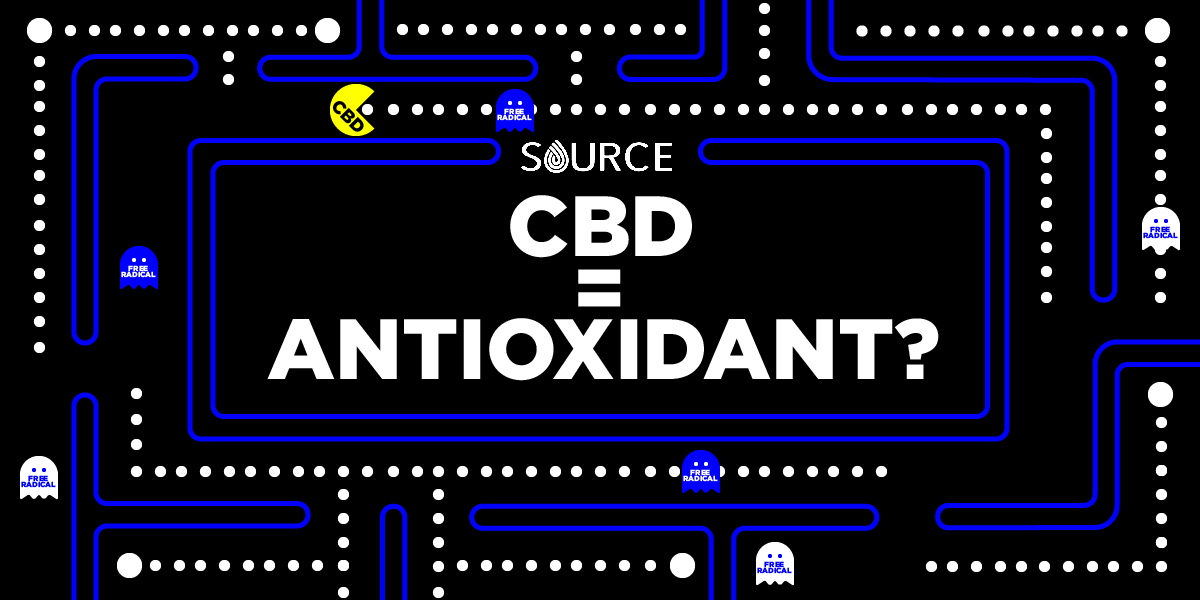
Is CBD an Antioxidant? It’s Time to Fight Free Radicals
Aug
Oh those powerful antioxidants: blueberries, dark chocolate, CBD oil…
Wait, is CBD an antioxidant?
And what is an antioxidant, really? Do we really even need them?
Trust us, if you’re not sure on any of those questions, you’re going to want to keep reading…
What is an Antioxidant?
Every day, throughout your normal activities, your body encounters free radicals. Now, this may sound cool and hip, but trust me, these guys are not playing around.
Ok, no jokes — free radicals (reactive oxygen species and reactive nitrogen species) are molecules generated by the body as part of normal cellular processes. While this is natural, an imbalance can be problematic.
Free radicals can interact with components of your cells, including DNA. When the body isn’t able to keep them in check, this imbalance is referred to as oxidative stress.
Oxidative stress has been widely studied in relation to overall cellular health and aging.
Sources of free radicals include:
- Cigarette smoke
- Environmental pollutants
- Radiation
- Certain drugs and pesticides
- Industrial solvents
- Ozone
Your body also produces free radicals naturally — so even if you’re living in a bubble, you’re not immune. Sorry 🙁
To help maintain balance, the body relies on antioxidants — compounds produced in the body and found in foods. Antioxidants interact with free radicals and help limit their reactivity at the cellular level.
What about synthetic antioxidants like butylated hydroxytoluene and butylated hydroxyanisole? These have been the subject of ongoing research and debate, which is why many people prefer antioxidants from natural food sources.
Is CBD an Antioxidant?
So, now that we know antioxidants play an important role in managing oxidative balance, where does CBD fit in?
CBD has been studied for its antioxidant properties, and research suggests it may interact with oxidative pathways in the body.
Some studies indicate that CBD may influence the activity of oxidants and antioxidants and interact with free radical processes.
“It is believed that the endocannabinoid system, which includes G-protein coupled receptors and their endogenous lipid ligands, may be involved in the modulation of oxidative stress. In this context, the phytocannabinoid cannabidiol… may interact with this system and continues to be an area of scientific interest.”
Research has also explored CBD’s interaction with oxidative processes in laboratory and cellular models.
Neurotoxicity refers to damage to nerve cells caused by exposure to certain substances, and oxidative stress is one factor researchers examine in this context.
Studies have investigated how cannabinoids behave in oxidative environments:
“Cannabidiol and THC were shown to limit oxidative damage in laboratory models… Cannabidiol demonstrated antioxidant activity in these settings.”
These findings have contributed to ongoing scientific interest in CBD and oxidative balance.
Final Thoughts
Antioxidants play an important role in maintaining cellular balance, and managing oxidative stress is a topic of ongoing research in the broader wellness and nutrition space.
Fortunately, antioxidants are found in many everyday foods — including fruits, vegetables, and yes, even dark chocolate. Many people also choose to include CBD as part of their overall wellness-focused lifestyle.
