CBD Oil News
Why is CBD so Expensive? Let’s Break Down the Cost
Nov
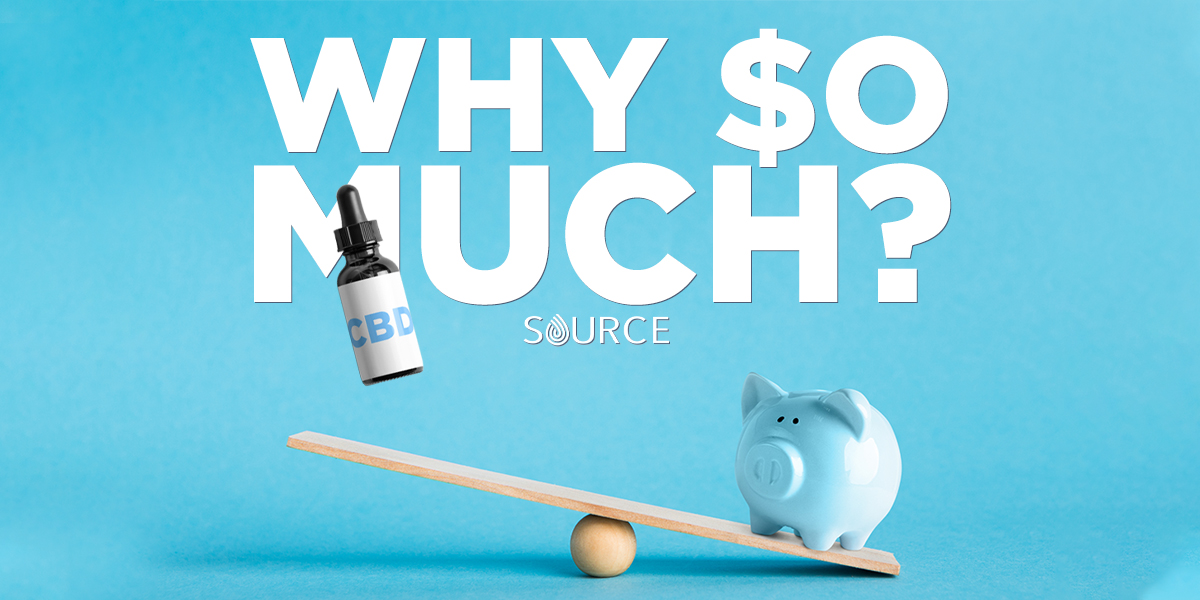
Let’s face it — CBD oil isn’t cheap, no matter what kind you buy. And we get asked this question fairly often.
For those new to CBD (and even longtime users), the price of a small bottle can seem high. But there’s a lot that goes into producing that oil.
So, what makes CBD cost what it does?
1. Hemp Farming & Harvesting
CBD comes from hemp, and cultivating it is a labor-intensive process. Farmers must carefully inspect plants throughout growth, and specialized equipment is needed for harvesting. Mother Nature does a lot for hemp, but she can’t do everything.
After harvesting, hemp must be dried under proper conditions to maintain quality.
Farming costs also factor in potential crop losses. For example, if hemp contains more than the legal THC limit, it can’t be used for CBD products, which adds to the overall cost.
2. Organic Sourcing
High-quality CBD comes from organic hemp. Hemp plants readily absorb toxins from the soil, so using pesticides or fertilizers—or growing in contaminated soil—can compromise the product.
Organic farming requires careful soil monitoring and avoids many cost-efficient chemicals, making the hemp more expensive, but also higher quality.
3. The Extraction Process
CBD extraction isn’t as simple as pressing oil from hemp flowers. Separating cannabinoids from the plant requires specialized equipment and experienced technicians.
Take CO2 extraction as an example. This method uses pressurized carbon dioxide under high heat and pressure to extract cannabinoids without damaging them. The process is complex and expensive but produces a clean, high-quality product free from unwanted by-products.
4. Development, Testing, and Quality Control
Reputable CBD companies invest in research, development, continuous testing, and quality control. While these steps add cost, they help ensure a reliable and safe product.
Is Price an Indication of Quality?
Not always. Just like other industries, CBD has its share of low-quality or misleading products. Some companies sell substandard hemp oil at premium prices with little transparency.
Watch out for:
- Sold on Amazon – Amazon doesn’t currently permit CBD sales, so products claiming high mg for cheap prices may be misleading.
- Free offers – “Try for free” or “just pay shipping” is often a red flag. Reputable companies charge for their product.
- No third-party testing – Lab testing is the gold standard for transparency. If a company doesn’t provide results, it’s best to move on.
Final Thoughts
CBD production involves multiple labor- and equipment-intensive steps from start to finish. While price doesn’t guarantee quality, higher-quality CBD usually reflects careful sourcing, extraction, and testing.
In short: you often get what you pay for, and quality CBD isn’t cheap — but it’s a product you can trust.
